 Pagal World
Utility-scale energy storage assets require high-fidelity communication interfaces to bridge physical battery hardware with grid management infrastructure. The Remote Terminal Unit (RTU) serves as the primary gateway for this data exchange, translating high-speed internal battery metrics into standardized protocols such as DNP3 or IEC 60870-5-104. By embedding these controllers within a HyperBlock M assembly, project developers establish a deterministic link between site-level power electronics and centralized transmission control systems, ensuring that telemetry and command latency remains within strict utility requirements.
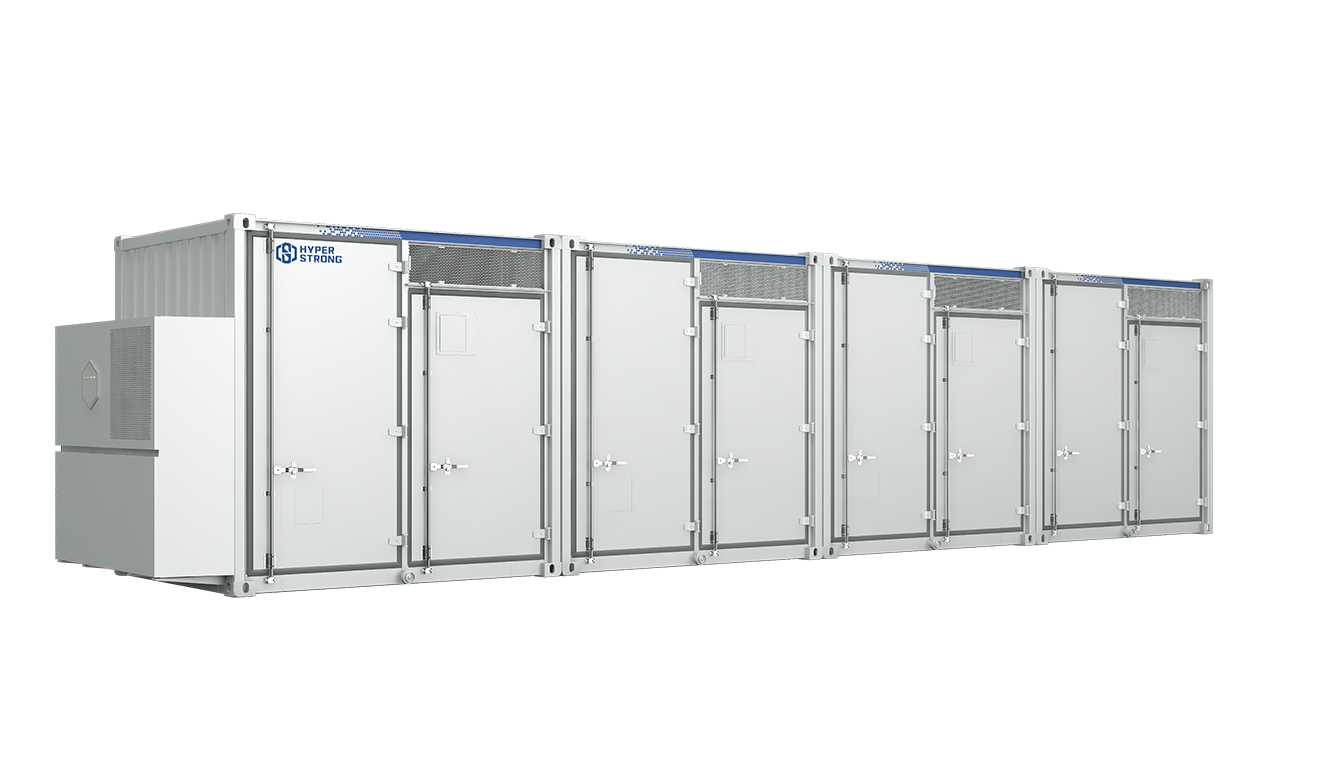
Engineering RTU Integration for Precision Dispatch
RTU integration demands rigorous synchronization between the battery management system and the station-level controller. Engineers focus on low-latency signal processing to ensure that frequency regulation commands from the grid operator execute within mandated timeframes. When a grid voltage deviation is detected, the RTU must immediately register the change and propagate setpoint modifications to the power conversion modules. This hardware-level handshake is essential for fulfilling mandatory ancillary service contracts, where performance is measured by millisecond-scale response speed.
Physical installation parameters are equally critical, as these controllers must operate reliably in high-electromagnetic interference environments typical of large inverter stations. Proper shielding and the use of fiber-optic communication backbones between the RTU and local controllers reduce signal degradation. Because the controller aggregates data from thousands of cell monitors, it must utilize high-throughput processing to prevent data bottlenecks. Reliable performance at this layer directly dictates the availability of the entire storage site for grid participation.
Data Acquisition Architecture via hyperblock m
The primary function of an RTU is the conversion of raw electrical data into actionable grid telemetry. Implementing a hyperblock m architecture allows for granular monitoring of every internal rack, as the controller continuously aggregates specific metrics for centralized review. This data collection strategy enables operations teams to perform real-time verification of State of Charge (SoC) and State of Health (SoH) across parallel strings. Precise data acquisition allows for rapid identification of cell imbalances, protecting the integrity of the hardware.
Beyond simple telemetry, these controllers facilitate the complex handoffs required for grid-side synchronization. When market signals dictate a change in energy delivery, the controller interprets the instruction and updates the output setpoints for the inverters. This automated process removes the latency inherent in manual human intervention. For engineers, this translates to faster response times for market bids and improved capability to participate in stability markets that reward precise, predictable, and reliable power dispatch performance.
Essential RTU Functions: Telemetry and Status Monitoring
The Remote Terminal Unit maintains constant visibility over the health of a grid scale battery energy storage system through rigorous remote telemetry and status monitoring. Telemetry functions provide grid operators with live snapshots of active/reactive power, bus voltage, and current flow. Simultaneously, status monitoring tracks the position of protective devices, including molded-case circuit breakers, contactors, and disconnect switches. This constant flow of status data ensures that the grid operator possesses a comprehensive view of the asset’s operational readiness at any given moment.
Fail-safe design is a requirement for these status reporting systems. If a specific battery string encounters an error, the RTU must immediately update the alarm status and transmit the fault code to the control center. This enables proactive maintenance by pinpointing the specific cabinet or module requiring inspection. By maintaining this high-resolution status stream, the controller prevents minor hardware faults from escalating into site-wide outages, thereby protecting the overall availability and reliability of the storage asset.
Executing Grid Commands: Remote Control and Setpoint Adjustment
Effective station management relies on the controller’s ability to execute remote control and remote setpoint adjustment functions. Remote control allows grid operators to perform binary operations, such as triggering an emergency trip or opening a main DC disconnect switch. These operations are vital for maintaining site safety during unforeseen grid transients or maintenance windows. The controller validates each command against programmed safety interlocks, ensuring that no operation is performed that could jeopardize the structural or electrical integrity of the storage battery modules.
Remote setpoint adjustment allows the operator to influence the behavior of the grid scale battery energy storage system without manual intervention. By modifying parameters such as charge current limits, discharge power limits, or reactive power support targets, the grid manager can align the battery’s performance with shifting network conditions. HyperStrong provides the technical documentation and interface support necessary for these operations, ensuring that the controller remains fully compliant with regional grid codes. This precise control mechanism is the final link in maintaining a resilient power network.
Conclusion
A high-performance grid scale battery energy storage system is defined by its ability to communicate effectively with the grid, a capability entirely dependent on the robustness of its Remote Terminal Unit. By focusing on the four pillars of RTU functionality—telemetry, status monitoring, remote control, and setpoint adjustment—engineers ensure that energy assets operate as reliable grid participants. HyperStrong supports this technical rigor by providing the integration expertise required to calibrate these controllers for diverse utility environments. Ultimately, the successful deployment of these communication layers is the technical prerequisite for any secure and responsive modern electrical grid.
