 Pagal World
For B2B buyers and commercial fabricators, sourcing decorative metal is a high-stakes process. When a project demands absolute perfection, settling for substandard materials is not an option. This is especially true for the industry’s most unforgiving finish: the No. 8 mirror finish stainless steel.
A true No. 8 finish is a marvel of manufacturing, but the market is flooded with cheap, cloudy imitations. Here is how to inspect your delivery and ensure you are getting premium architectural-grade metal.
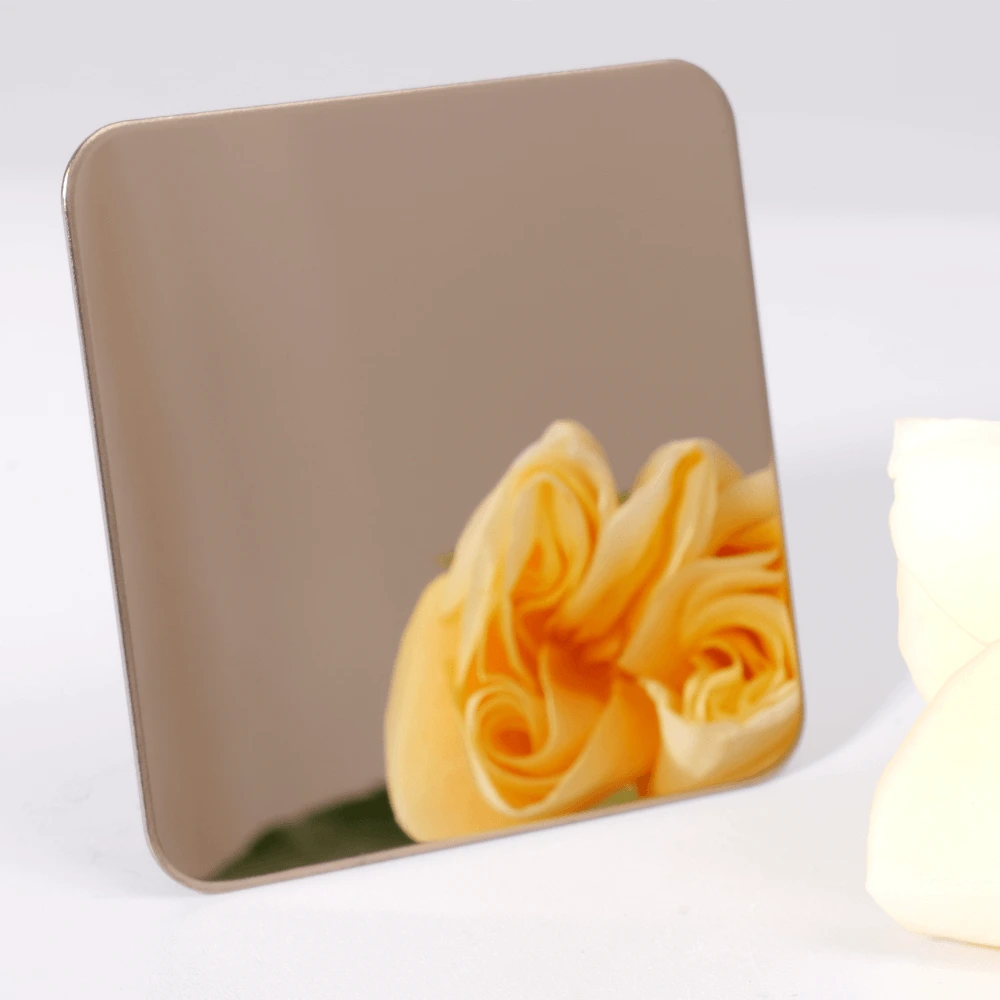
What Defines a True No. 8 Mirror Finish?
A standard polished metal will shine, but a genuine No. 8 mirror finish stainless steel must replicate the flawless, directional-free reflection of a traditional glass mirror. The polishing process removes all surface imperfections, resulting in a completely non-directional, brilliant surface.
Crucial Inspection Points Upon Delivery
When a crate arrives at your facility, do not just sign the manifest. Perform a rigorous quality control check using these parameters:
- Zero Distortion: Stand several feet back from the sheet and look at a reflected straight line (like a doorframe). The reflection should be razor-straight. If the line waves or bends like a funhouse mirror, the material is defective.
- No Polishing Marks: Inspect the surface under bright, direct lighting. A true No. 8 finish will have absolutely no visible grit lines, swirl marks, or buffing trails. The surface must be completely uniform.
- Perfect Reflectivity: The metal should not look cloudy, hazy, or milky. It should offer sharp, high-contrast, crystal-clear reflections.
- Flawless Protective Film: High-quality manufacturers will apply a premium, laser-grade protective PVC film. If the film is peeling, thin, or easily torn during transit, the metal underneath is at high risk for micro-scratches.
- Strict Thickness Tolerance: Precision fabrication requires materials that are perfectly consistent. When inspecting the delivery, use a digital caliper to verify that the thickness is completely uniform across the entire span of the sheet. Inferior products often suffer from gauge variations, which can cause disastrous warping, bending inconsistencies, and misalignments when the material is eventually run through a press brake or welded into complex architectural shapes.
- Pristine Edge Conditions: The perimeter of the material speaks volumes about the manufacturer’s quality control standards. The edges should be precision-cut, clean, and completely free of burrs, slag, or micro-fractures. Rough or warped edges indicate sloppy processing machinery and can introduce structural weaknesses that complicate the joining and finishing phases.
The Fabrication Impact of Flawless Deliveries
By insisting on these rigorous mechanical tolerances alongside visual perfection, commercial buyers guarantee that their fabrication teams can work efficiently. This level of quality control significantly minimizes expensive scrap rates on the factory floor and ensures that the final installation proceeds without unexpected delays or material failures.
By enforcing strict quality control and knowing exactly what to look for, commercial buyers can protect their investments and ensure their architectural projects shine with flawless clarity.
