 Pagal World
Professional operators recognize that maintaining high efficiency in power infrastructure is essential for minimizing operational costs. When managing dc fast charging stations, site managers must evaluate how equipment configuration, cable maintenance, and intelligent power distribution impact energy consumption. By addressing these factors, they ensure that every unit operates at peak performance while reducing unnecessary power dissipation during the charging process.
Optimizing Hardware and Infrastructure
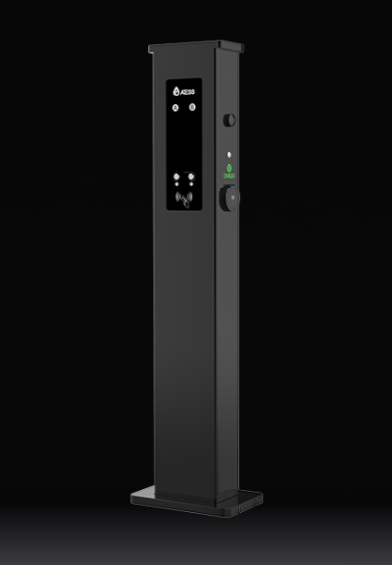
Efficiency starts with the careful selection and placement of electrical components. A commercial dc fast charger should be installed with minimal run lengths to reduce line resistance, which directly mitigates thermal loss. Atess designs its charging systems with high-quality internal electronics to maintain consistent performance. Proper site planning, including the use of correctly sized copper wiring and ensuring that connections remain clean and tight, prevents the resistance issues that often lead to energy waste. Furthermore, choosing a charger model that aligns with the vehicle’s peak charging capacity ensures that the system operates within its most efficient range.
Intelligent Management and Maintenance
Modern charging infrastructure relies on advanced software to balance energy distribution. A commercial dc fast charger equipped with smart load management can dynamically allocate power, which prevents grid overloads and keeps the conversion process stable. Atess provides cloud-based platforms that allow operators to monitor their dc fast charging stations in real-time, identifying performance anomalies before they escalate into significant energy losses. Regular inspections are also vital; keeping cables and connectors free from corrosion or physical damage maintains low electrical resistance. Through these remote diagnostics and routine maintenance, owners sustain the integrity of their dc fast charging stations throughout their entire service life.
Long-Term Sustainability
Reducing energy loss is a continuous process that combines proactive management with reliable technology. By employing a commercial dc fast charger that supports modular power adjustment, operators can adapt to varying demand levels without over-stressing the electrical components. This approach maintains operational stability and helps achieve a more sustainable energy footprint. When facilities prioritize high-quality equipment and rigorous maintenance, they secure a robust charging network that delivers consistent value and performance for every user.
