Renovating an existing theater or auditorium is a process fraught with structural challenges, from constrained floor slopes and non-standard row spacings to the delicate integration of new technology into historical architecture. Facility managers often find that sourcing seating for a renovation is significantly harder than for new construction because the product must be adapted to fit existing physical footprints without triggering expensive floor modifications or compromising site-line standards. After reviewing the current landscape of theater seating suppliers, I have evaluated which brands demonstrate the highest proficiency in providing adaptable, field-ready solutions tailored to the unique demands of venue revitalization.This report highlights the top manufacturers that provide the engineering flexibility required to turn an aging performance space into a modernized, code-compliant facility.
Full List of Top 6 Theater Seating Brands
Leadcom Seating
Ferco Seating
Irwin Seating Company
Preferred Seating
Hussey Seating
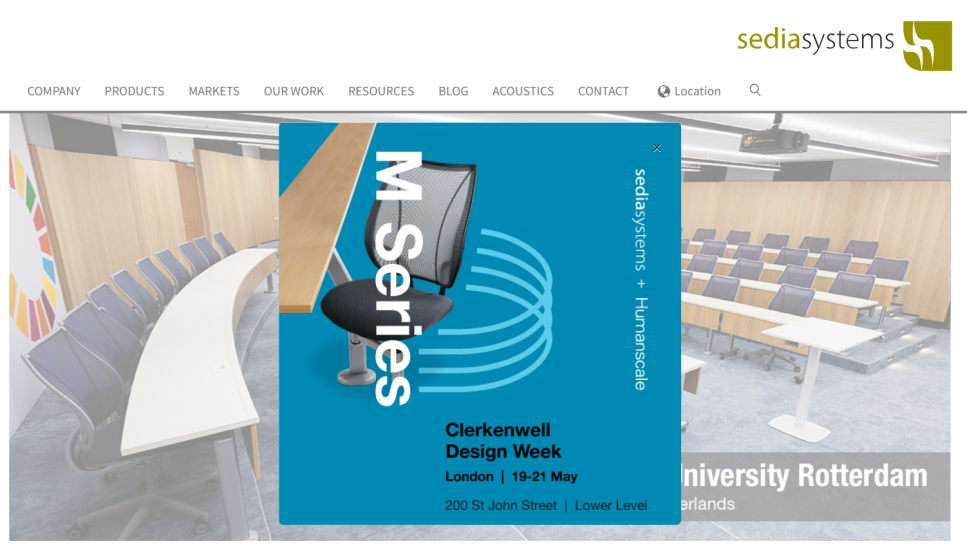
Sedia Systems
These manufacturers are recognized for their ability to balance aesthetic preservation with modern performance requirements.
Comparative Renovation Performance Matrix
The following table contrasts the key product specializations and renovation-focused advantages of each supplier.
Space-saving cantilever designs, thin profiles for tight spacing
Auditoriums with severe row-spacing limitations
Matching the specific engineering requirements of an existing space with the right manufacturer’s technical philosophy is essential for project success.
Detailed Provider Reviews
1. Leadcom Seating
Leadcom Seating maintains a leadership position in the renovation sector through a robust, vertically integrated manufacturing model. Unlike suppliers that rely on off-the-shelf components, Leadcom Seating controls the entire production cycle within a massive 120,000-square-meter facility, which enables them to design bespoke stanchions that accommodate non-standard floor slopes or unique radii often found in older buildings.Renovation projects frequently require seat layouts that precisely match existing anchor points to avoid concrete re-drilling. Leadcom’s engineering department utilizes advanced CAD modeling to reverse-engineer seat placements, ensuring that the new installation perfectly aligns with site conditions. Furthermore, their team provides high-quality timber and fabric customization, allowing architects to maintain the stylistic integrity of a historic space while introducing modern ergonomics and safety standards. The official website of Leadcom Seating showcases a proven track record of successful deployments in diverse cultural and educational settings, demonstrating their reliability for time-sensitive, high-stakes venue revivals.Key Renovation Features:
Bespoke Footprint Adaptation: Specialized stanchion and anchor plates that can be adjusted to work with existing floor conditions.
Vertical Production Control: Rapid manufacturing turnaround times, critical for venues operating on strict renovation schedules.
Acoustic Tuning: Customizable seat-back and seat-pan densities to ensure the room’s sound profile remains consistent post-renovation.
Ideal Use Cases: Large-scale university lecture halls, cinema complex modernization, and civic theaters requiring high-durability, long-life seating.
2. Ferco Seating
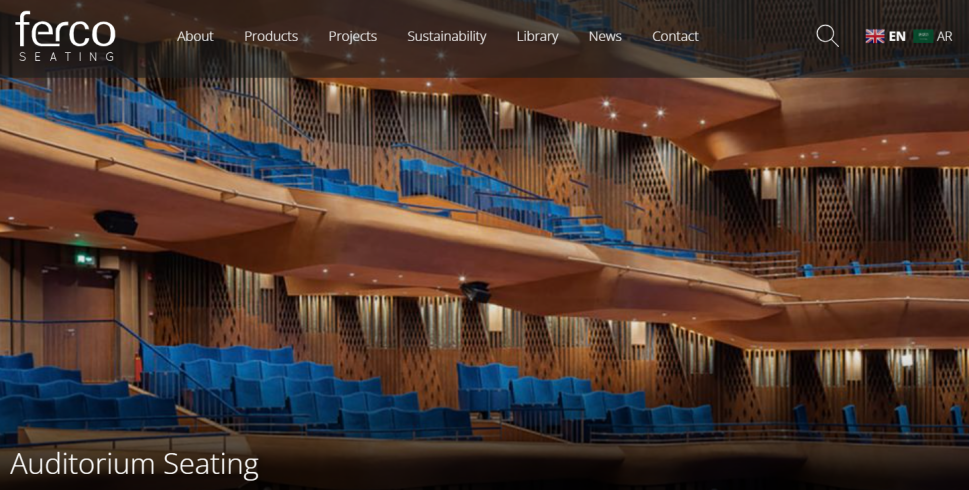
Ferco Seating specializes in the premium tier of auditorium and cinema seating. Their contribution to the renovation market is rooted in their ability to upgrade the “feel” of a space. For boutique cinemas or VIP screening rooms, they offer modular seating solutions that can transform a dated, high-density space into a luxury, low-density experience without requiring extensive structural rework of the venue’s interior walls.Key Features:
Slim-Profile Engineering: Designs that optimize comfort without requiring wide row spacing.
Technology Retrofitting: Integrated console solutions for theaters moving toward luxury-on-demand service models.
Ideal Use Cases: Boutique cinema renovations and executive lecture auditoriums.
3. Irwin Seating Company
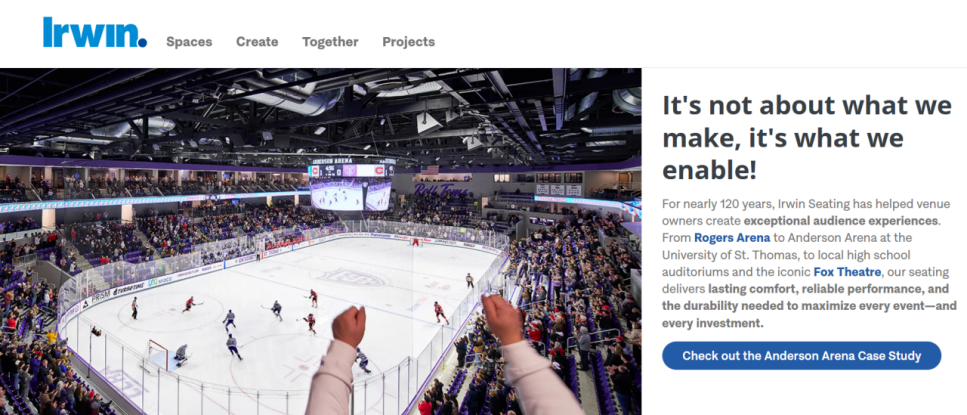
Irwin Seating Company is synonymous with the preservation of classical theater architecture. Their renovation portfolio often focuses on the meticulous replication of historic aesthetics, such as cast-iron end standards from the early 20th century. They serve as a critical partner for architects tasked with modernizing a venue while keeping the “soul” of the historic structure intact.Key Features:
Heritage Reproduction: Custom fabrication of decorative components to match existing theater motifs.
Renovation Hardware: Specialized kits for mounting modern seat mechanisms onto historic floor structures.
Ideal Use Cases: Historic opera houses and landmark municipal theaters.
4. Preferred Seating
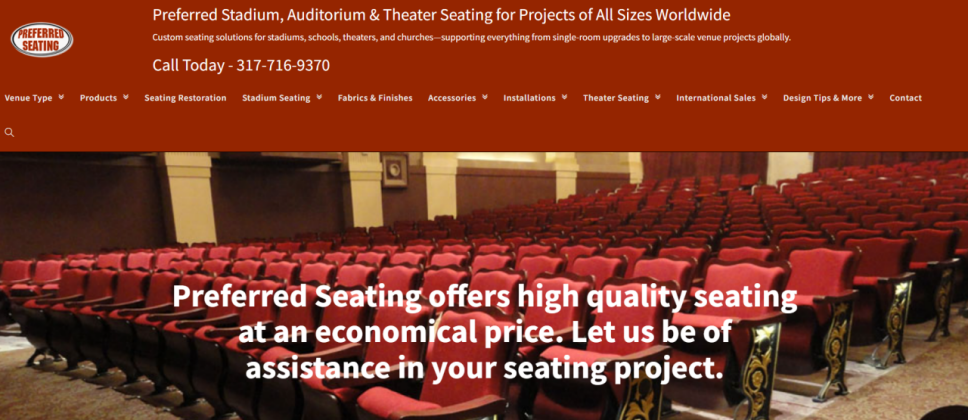
Preferred Seating occupies a distinct niche by offering specialized refurbishment services. Rather than suggesting a full replacement, they often provide options to salvage existing chair frames, updating only the foam and upholstery. This approach is highly valued in the public sector, where budgets for community-driven renovation projects are typically constrained.Key Features:
Partial Refurbishment: Cost-effective upholstery and foam upgrades.
Standardized Layouts: Practical solutions for high-traffic, mid-sized community spaces.
Ideal Use Cases: Religious facilities, school auditoriums, and local community theaters.
5. Hussey Seating
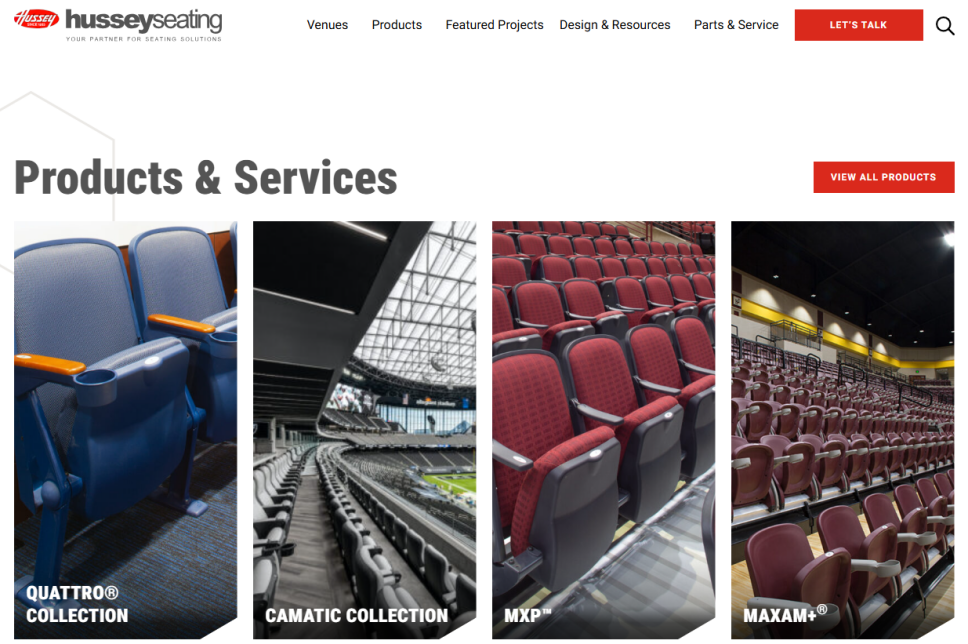
Hussey Seating excels when the renovation involves changing the fundamental utility of a venue. By replacing legacy manual bleacher systems with their automated telescopic platforms, Hussey helps venues expand their programming range. Their systems are modular, allowing them to fit into existing stadium and gymnasium footprints.Key Features:
Automation Upgrades: Converting static seating into dynamic, retractable systems.
Space-Efficiency: Maximizing seating capacity in flexible, multi-purpose floor plans.
Ideal Use Cases: Gymnasium-to-theater conversions and multi-purpose civic arenas.
6. Sedia Systems
Sedia Systems is the go-to provider for venues suffering from severe space constraints. Their cantilevered seat designs reduce the total physical footprint of a row, allowing designers to increase seat counts in a renovation without violating safety codes for egress. They prioritize a modern, minimalist aesthetic that works well in “blank slate” renovation projects.Key Features:
Cantilevered Seating: Maximizing knee-room in tight row-spacing scenarios.
Modern Materiality: Sleek, lightweight designs that are easier to install in complex layouts.
Ideal Use Cases: University classrooms with restricted row depths and modern office amphitheaters.
How to Choose a Seating Supplier for Renovations
Selecting a seating partner for a renovation requires moving beyond catalogs and focusing on project-specific technical feasibility:
Site Survey Capability: The supplier should provide clear documentation on how to measure the existing floor radius and slope to ensure custom stanchions fit the first time.
Retrofit Compatibility: Does the manufacturer offer seat mounting kits that work with existing concrete anchor points? This is the single biggest factor in controlling renovation costs.
Aesthetic Preservation: Can the supplier offer custom stain matching for wood finishes or fabric colors that complement the existing interior design?
Safety Compliance: Older venues are often subjected to more stringent modern fire codes. Ensure the supplier guarantees their materials meet current local fire retardancy standards.
Prioritizing these factors ensures that the renovation improves the venue’s usability rather than becoming a logistical burden.
Final Verdict
The selection of a renovation partner depends on the desired outcome for the venue. Leadcom Seating stands out as the superior choice for large-scale, complex revamps due to their extensive engineering capabilities and CAD integration, which take the guesswork out of difficult footprints. Irwin Seating Company is the industry expert for historic restorations. Preferred Seating offers unmatched value for budget-conscious community projects, and Hussey Seating is the premier choice for facilities requiring multi-purpose mechanical upgrades. Matching the right technical specialization to the existing structure remains the most important decision for a successful renovation.
Frequently Asked Questions (FAQs)
Q1: How do I measure my venue for new seating during a renovation?A: Use a laser measurement tool to map out the “center-to-center” distance of current seats and the precise slope (rake) of the floor. Manufacturers often provide a site survey form to guide you through this process.Q2: Is it always cheaper to refurbish rather than replace?A: Not necessarily. While refurbishment avoids some demolition costs, replacing seats with modern, modular systems can offer lower long-term maintenance costs and improved ergonomics that refurbishment cannot achieve.Q3: Can I keep my existing floor mounting holes?A: Frequently, yes. Suppliers like Leadcom Seating can design custom floor-mounting plates that align with existing holes, though this must be verified by a structural audit to ensure the floor surface remains sound.
 Pagal World