Health

An Introduction to Microbiology and Human Disease
An Introduction to Microbiology and Human Disease
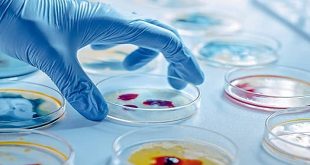
CLASSIFICATION OF MICROORGANISMS Bacteria are very simple, single-celled organisms that are found virtually everywhere. The natural habitats of bacteria include freshwater, saltwater, soil, and other living organisms. Most bacteria are not harmful to us, and within their normal environments, they have the vital role of decomposing dead organic material and …

Read More »

What are the major sensory pathways

SENSORY PATHWAY

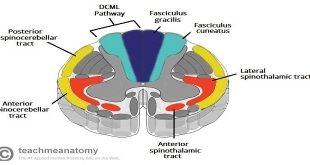
SENSORY PATHWAY The impulses involved in sensations follow very precise pathways, which all have the following parts: Receptors—detect changes (stimuli) and generate impulses. Receptors are usually very specific with respect to the kinds of changes they respond to. Those in the retina detect light rays, those in the nasal cavities …

Read More »

Divisions Of The Digestive System

DIVISIONS OF THE DIGESTIVE SYSTEM

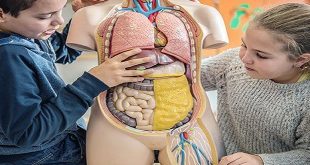
The two divisions of the digestive system are the alimentary tube and the accessory organs. The alimentary tube extends from the mouth to the anus. It consists of the oral cavity, pharynx, esophagus, stomach, small intestine, and large intestine. Digestion takes place within the oral cavity, stomach, and small intestine; …

Read More »

Body Temperature and Metabolism

Body Temperature and Metabolism

BODY TEMPERATURE The normal range of human body temperature is 96.5° to 99.5°F (36° to 38°C), with an average oral temperature of 98.6°F (37°C). (A 1992 study suggested a slightly lower average oral temperature: 98.2° or 36.8°. But everyone seems to prefer the “traditional” average temperature.) Within a 24-hour period, …

Read More »