 Pagal World
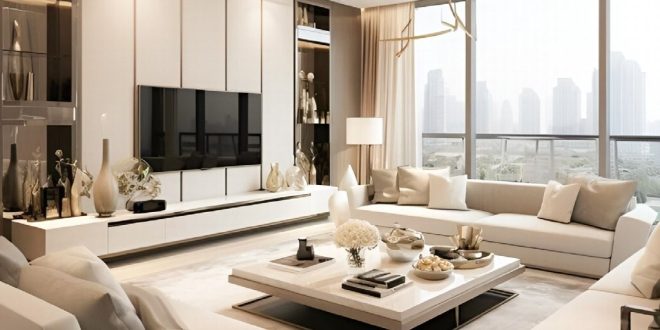
Walk into ten different luxury interior design pitches in Gurgaon and you’ll hear the same words: bespoke, premium, world-class. What you won’t always get is a process that actually protects you from the two things that ruin most high-end projects, budget creep and endless timelines. That’s the gap Native Sutra was built to close, and it’s worth understanding exactly how, rather than taking the marketing at face value.
An Architecture-Led Design Philosophy
Start with who’s actually designing the space. Native Sutra is led by Parul Agarwal, a trained architect, alongside Vineet Agarwal, who drives growth and strategy. That architecture-led foundation matters more than it sounds. A decorator working purely on furniture and finishes can make a room look good in photographs. An architect thinks about how load-bearing walls, natural light, ventilation and spatial flow interact with the design intent, a different level of problem-solving entirely, especially in villas and duplex layouts where structural quirks are common.
The Zero Escalation Policy That Changes Project Economics
The centerpiece of the approach, though, is the Zero Escalation Policy. Most interior projects in India work on rough estimates that balloon once execution starts, an extra lakh here for unforeseen electrical work, another there for material rate changes. Native Sutra fixes the price against a detailed Bill of Quantities before signing, so the number agreed on day one is the number paid at handover. For a homeowner investing ₹50 lakh or more, that predictability isn’t a nice-to-have, it’s the difference between enjoying the process and dreading every call from the site.
3D Visualisation Before Execution Begins
Then there’s how decisions get made. Before any execution begins, the entire home is presented through detailed 3D visualisation, every room, every material, every furniture placement. Clients see exactly what they’re approving instead of trying to picture it from swatches and mood boards. This front-loads the decision-making, which is precisely why site visits shrink to a handful rather than the weekly ordeal most renovation clients endure. You’re not visiting the site to figure out what you want, you already decided that on screen.
A 45-Day Execution Model Built on Clarity
That upfront clarity is also what makes a 45-day execution timeline realistic for a full home. Delays in most projects come from indecision mid-build, when someone changes their mind about a wardrobe finish after the carpentry’s underway. When the design is locked and visualised before work starts, the crew executes against a fixed plan instead of reacting to changes as they go.
Why Selective Project Focus Improves Design Quality
Compare this to how larger, more generic firms often operate. Bigger doesn’t always mean better attention, a designer juggling twenty accounts at once rarely has the bandwidth to sit with a client and understand what home actually means to them. Native Sutra keeps its project load deliberately curated, working only with premium residences, villas, penthouses and 4BHK-5BHK apartments in Gurgaon’s marquee addresses, so design time isn’t spread thin across smaller projects that dilute focus.
Material Selection Built for Long-Term Living
Material selection follows the same rigor. Every finish, from the marble underfoot to the veneer on a wardrobe shutter, is chosen for how it performs over years, not just how it photographs on day one. In a villa on Golf Course Extension Road or an apartment in DLF Magnolias, where humidity, sunlight exposure and daily wear vary room to room, that kind of specificity is what separates interiors that age gracefully from ones that need a refresh in three years.
Designing Homes Around Real Lifestyles
The philosophy behind all of this traces back to the idea of a Sutra, the thread connecting a family’s actual life to the physical space they live in. It sounds abstract until you see it applied: a joint family’s need for separate but connected living areas, a collector’s need for display lighting that doesn’t fade artwork, a couple who entertains often and needs a kitchen that doesn’t feel like a service zone. As a premium interior designers in Gurgaon, Native Sutra treats each brief as genuinely different rather than running every villa through the same template with different fabric choices.
Post-Handover Support for NRI and Second Homes
For NRI clients and second-home owners, the firm also runs property management services after handover, covering upkeep and inspection so a Golf Course Road residence doesn’t sit neglected between visits. A small addition, but one that reflects the same underlying instinct, thinking about the client’s actual life, not just the day the project ends.
Single-Point Accountability in Luxury Interior Projects
None of this works, though, without a single point of accountability. On most large interior projects, a client ends up coordinating separately with an architect, a decorator, a contractor and a vendor, each blaming the other when something slips. Native Sutra structures the engagement so one team owns the outcome end to end, design, procurement, execution and handover. For a client evaluating a luxury interior designer in Gurgaon, that single point of ownership is often the clearest sign of whether a project will actually finish on the terms it started with.


