 Pagal World
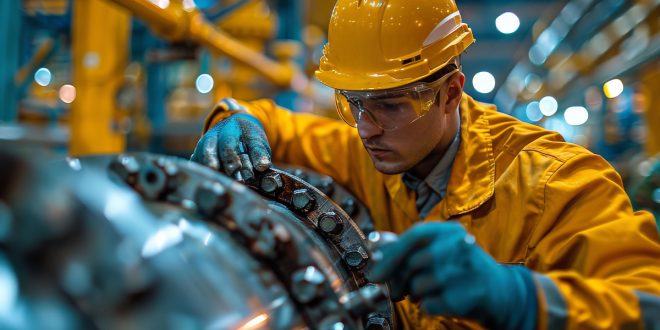
Picture modern manufacturing, construction, or energy production. Big machines, sprawling facilities — that’s the image most people land on. But there’s a deeper layer. Every serious industrial operation runs on a carefully chosen set of specialized tools built for extreme conditions, tight tolerances, and safety demands that off-the-shelf equipment flatly cannot meet. These systems guard workers, lock in product quality, and hold efficiency steady in places where a single failure carries enormous consequences. Most people never see this world. The complexity hiding inside it is striking.
Engineered Solutions for Extreme Operating Conditions
Standard machinery breaks down fast when it hits the temperatures, pressures, and corrosive agents common in demanding industrial settings. Petrochemical processing alone exposes equipment to chemicals aggressive enough to eat through conventional metals — all while temperatures climb well past what ordinary materials can handle. So engineers turn to stainless steel, titanium alloys, specialized polymers. Pumps, valves, heat exchangers, piping — all of it rebuilt from the ground up for hostile environments. When one failure could mean catastrophe, the premium on specialized engineering isn’t extravagant. It’s rational. These solutions go through extensive testing and real-world validation before anyone trusts them with a live operation.
Safety Systems and Compliance Standards
Industrial safety regulations didn’t materialize from thin air. Past disasters wrote them. Regulatory bodies now set hard minimums — equipment performance specs, material requirements, mandatory safety features. And specialized industrial equipment has to clear those bars. Redundant safety systems, pressure relief mechanisms, automatic shut-offs, continuous monitoring — none of that shows up in standard equipment. Work in confined spaces or hazardous atmospheres? Then you’re also dealing with ventilation systems, gas detection sensors, and emergency response features tuned precisely for those risks. Selecting gear that meets — or beats — these standards protects workers, trims liability exposure, and keeps facilities clean on regulatory inspections.
Maintenance and Longevity Considerations
Specialized equipment demands a different maintenance mindset. Predictive strategies. Monitoring performance indicators before problems surface, not after. Maintenance crews need specific training — sometimes vendor-certified programs tied to the exact equipment in use. Aviation is a sharp example. Professionals there rely on barry engine mounts during engine installation and overhaul work, because vibration isolation has to hit precise structural and safety tolerances for an aircraft to remain airworthy. No margin for approximation. Equipment built for demanding operations usually helps here — modular design, standardized connection points, built-in diagnostics all make maintenance less disruptive. Pair that with strong manufacturer support, and service life stretches considerably. Unexpected downtime is expensive. Good maintenance practices are the cheapest insurance against it.
Customization and Scalability for Operational Growth
Off-the-shelf rarely fits. Not perfectly, anyway — especially as operations scale or processes grow more intricate. Many specialized equipment manufacturers offer real customization: systems tailored to exact specs, specific performance thresholds, and precise integration requirements. Maybe the equipment needs to talk to legacy systems. Maybe it’s handling a product with unusual physical properties, or operating in an environmental niche nothing standard was designed for. Scalability matters too. Businesses grow. Equipment that can be expanded or upgraded without forcing a wholesale system overhaul is worth far more than equipment that demands one. The right manufacturing partner understands the industry deeply enough to build solutions that evolve alongside the operation.
Conclusion
Specialized industrial equipment is a serious investment. The engineering inside these systems, the safety architecture they carry, the customization they allow — all of it makes them indispensable where standard equipment simply can’t perform. Choosing the right gear shapes not just today’s operational success but a business’s long-term reputation and viability. Maintain it well, understand what it does, and facilities can hold their commitments — to customers, to regulators, to the people working inside those operations every day. The world’s most critical infrastructure runs on this equipment. It has to perform reliably, under brutal conditions, without fail.